A parent can be found in contempt for failure to follow the terms of a custody or support order. The most prevalent contempt violations are access and failure to pay child support. Denying access to a child or children subjects the parent denying access to being found in contempt. For example, if the parent is refusing to allow the other parent to have phone access can be held in contempt. If the court order provides for access during the holidays, the court can also find the parent denying access in contempt. If a parent fails to pay court ordered child support. Although the court takes a parents’ failure to comply with a court order very seriously, a party who is served with a show cause as a result of the other party filing a petition for contempt, may purge the contempt in advance of the court date.
Pursuant to Breona C, an order holding a person in constructive civil contempt must: (1) impose a sanction. (2) include a purge provision that gives the contemnor the opportunity to avoid the sanction by taking a definite, specific action of which the contemnor is reasonably capable; and (3) be designed to coerce the contemnor’s future compliance with a valid legal requirement rather than to punish the contemnor for past, completed conduct. (Breona C. v. Rodney D., 253 Md. App. 67 (2021).
The court in Breona C, held that where the mother eventually complied with the access order by returning the child, she had complied with the provisions of the court’s order. “[A] party generally may not be held in constructive civil contempt for delayed compliance with a court order if [the party] has complied with the order prior to
the contempt finding.”
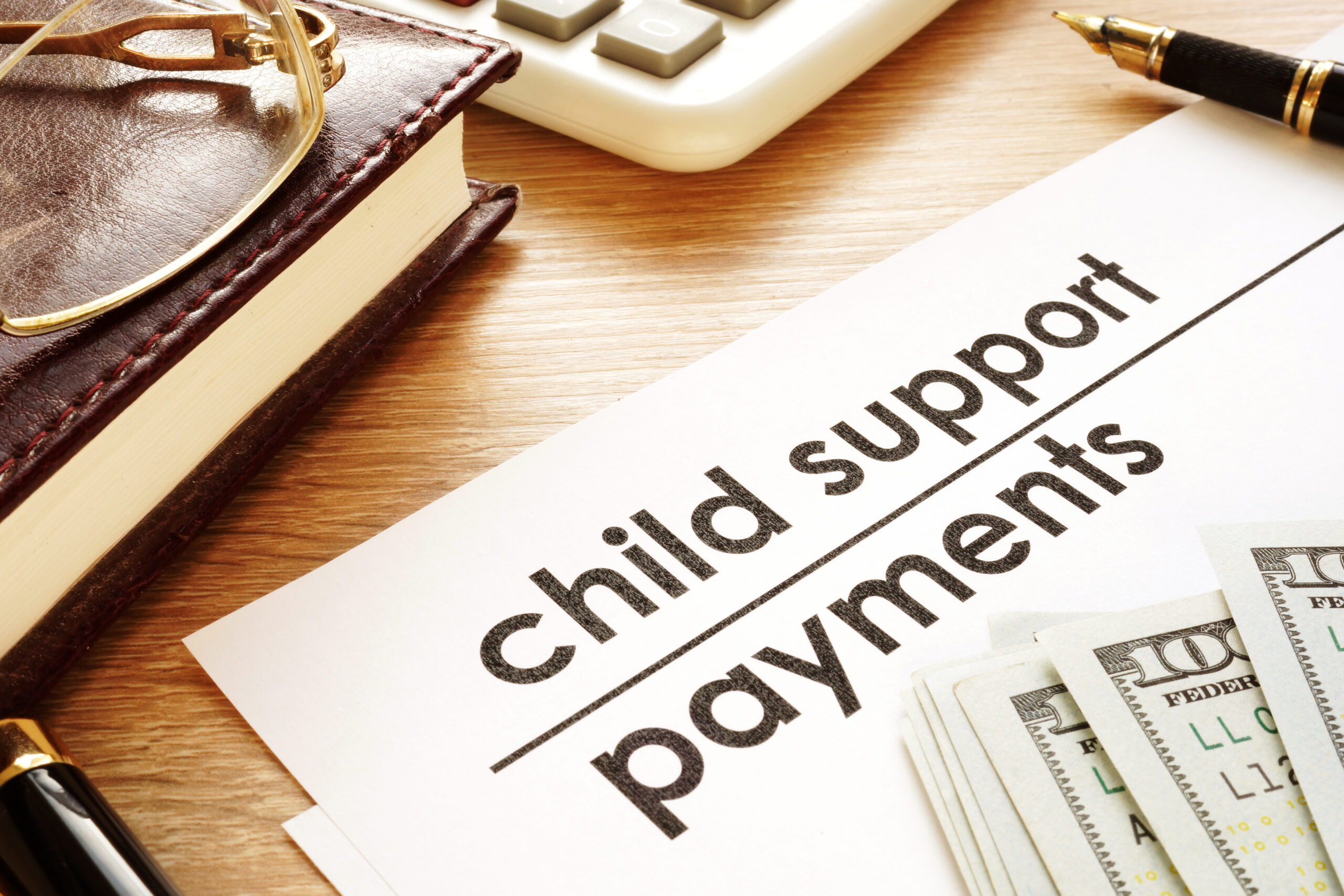
The Court’s holding is also applicable in a child support matter, for example, if the parent pays the outstanding support prior to the actual contempt hearing they will not be held in contempt. After Breona C, the court cannot punish past conduct, the court must permit a party to purge the contempt by either giving the other parent access to the child or children or pay the balance of the child support within a specified period of time.
If you find yourself in need of an Attorney relating to a child custody or support proceeding, The Law Office of Lynndolyn Mitchell is exceptionally qualified to represent you in your matter.